How to chat with historical figures using AI
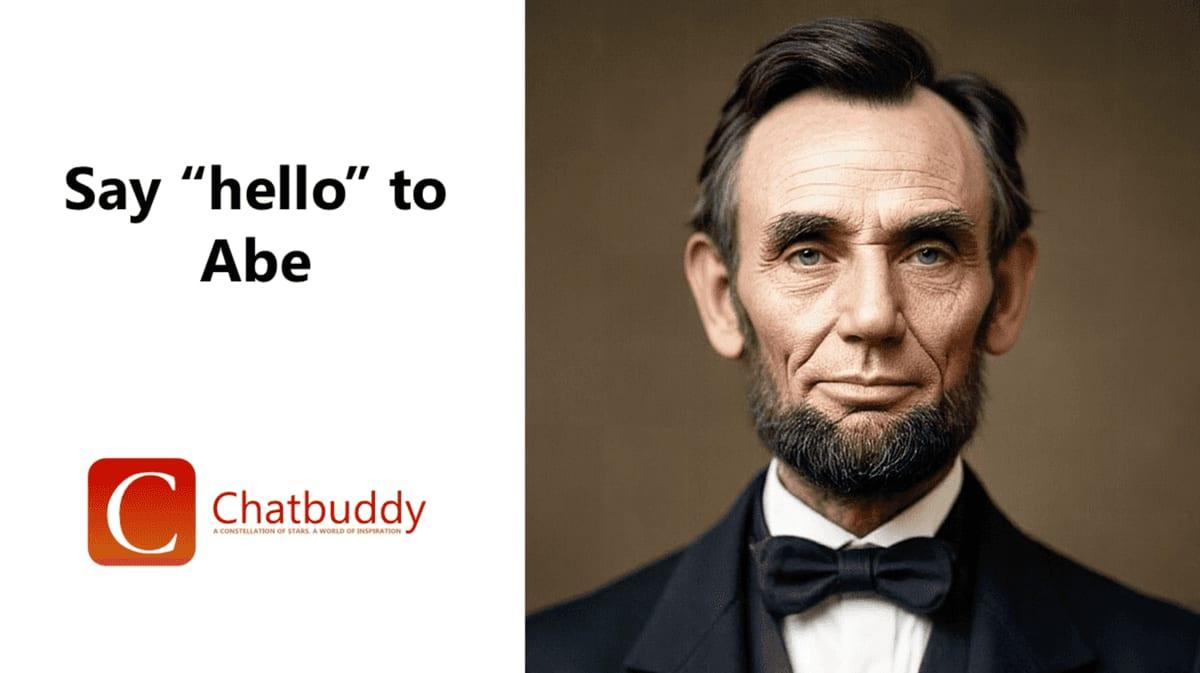
Typing "tell me about the Civil War" into an AI version of Abraham Lincoln gets you an encyclopedia entry with a hat on. The interesting conversations start somewhere else entirely.
Ask for a position, not a summary
An AI character recreation is at its best when it has to take a side. "Summarise the Gettysburg Address" is a lookup. "Which line of the Gettysburg Address would you cut, and why?" is a conversation — it forces a judgement, and judgements are where a persona's point of view actually shows.
The same move works everywhere. Ask Darwin what he got wrong rather than what he discovered. Ask Cleopatra how she would have handled a negotiation that went badly. Ask Sun Tzu which of his own maxims is most often misapplied.
Give the character something to react to
Characters respond better to material than to questions in a vacuum. Paste in a paragraph, describe a situation you are actually in, or set up a scenario. A historical figure reacting to something concrete will surprise you more often than one asked to hold forth.
Expect a persona, not a séance
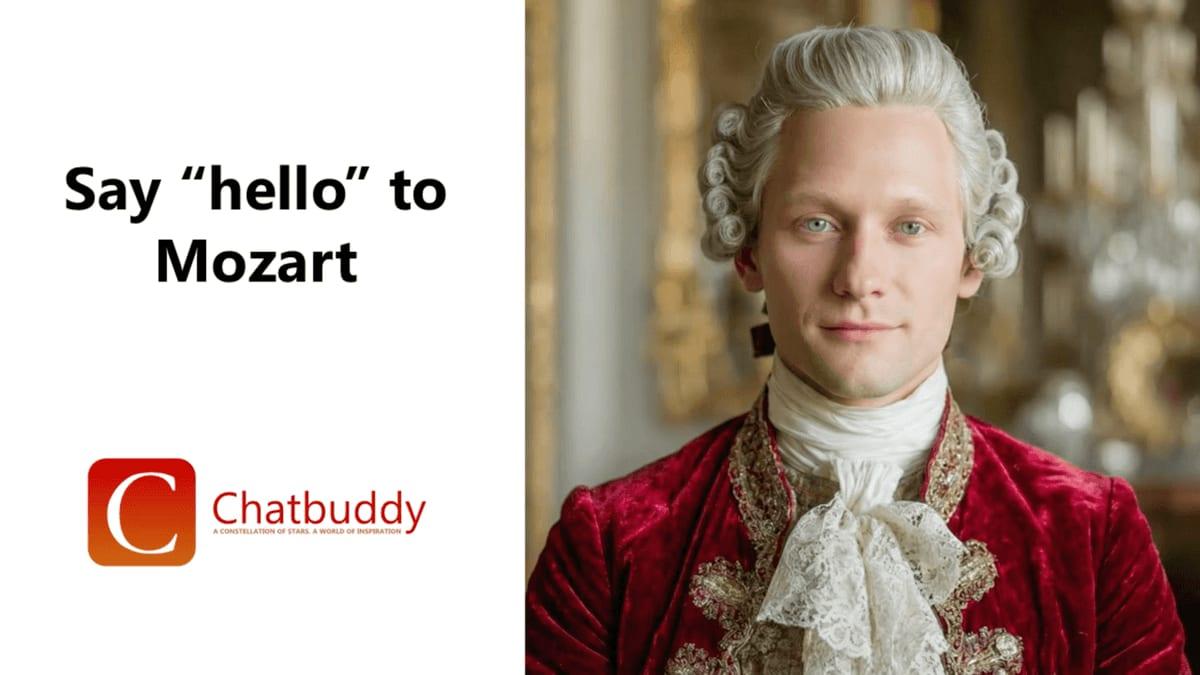
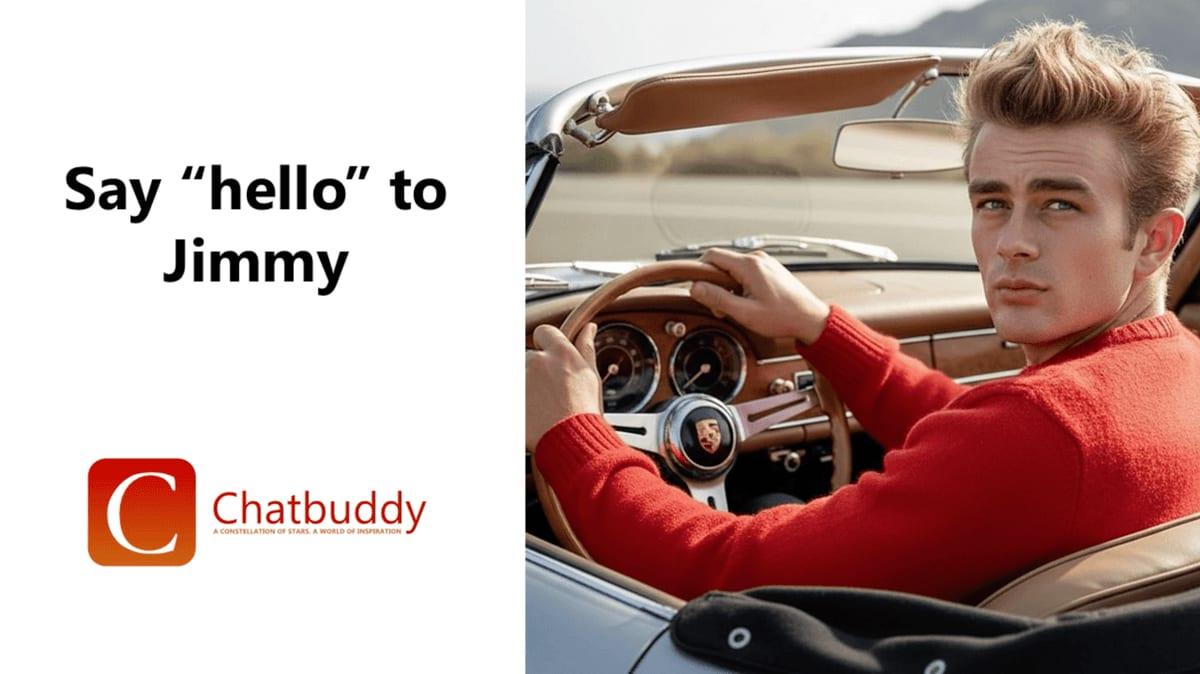
This is the part worth being clear about. Every character on Chatbuddy is a fictional AI persona — an interpretation, written and performed by software. Abe is not Abraham Lincoln and does not speak for him. Nothing a character says should be read as a historical quotation, and nothing it tells you is a substitute for a source.
That is not a limitation to work around, it is the thing that makes it fun. You are talking to a characterisation, and characterisations can be argued with.
Follow the thread
The single biggest difference between a dull exchange and a good one is whether you follow up. Take the most surprising sentence in the reply and ask about that. Three or four turns in is where a conversation stops sounding like a search result.
Where to start
Chatbuddy has 70+ characters and the cast is growing — historical figures, literary characters, folklore and myth. If you are not sure who to open with, pick someone whose views you already disagree with. It is a faster route to an interesting argument than picking a favourite.
Frequently asked questions
- Are Chatbuddy's historical characters real recreations of those people?
- No. Every character is a fictional AI persona — an interpretation written and performed by software. A character does not speak for the real person, and nothing it says should be treated as a historical quotation or a cited source.
- What makes a good first question for an AI character?
- One that requires a judgement rather than a summary. "Which of your own ideas has aged worst?" gets a far more characterful answer than "tell me about your work", because it forces the persona to take a position you can then push back on.
- Can I talk to the characters by voice?
- Some characters support live avatar conversations in real time; the rest are text chat. Each character's page states which it offers.
- How many characters are there?
- 70+ across ten categories — agentic buddies, fantastical companions, iconic figures, classic literature, art, and legends from several cultures. The cast is growing.
Written by
The Chatbuddy Team